Why Military Grade Aluminum Is the Standard for Defense Applications
The defense industry is driven by precision, reliability, and durability. Whether it's an aircraft wing, a lightweight UAV frame, or portable equipment, the materials used must meet uncompromising standards.
Known for its exceptional balance of strength, weight, and corrosion resistance, aluminum has become a staple material in defense and aerospace manufacturing. Its ability to meet MIL-SPEC aluminum requirements makes it a trusted option across a wide range of high-risk, mission-critical applications.
The Right Material. The Right Finish.
Military-grade aluminum has earned its place as the material of choice for defense applications. It consistently delivers when lives and missions are on the line. From corrosion resistance to compliance with stringent military standards, aluminum alloys offer the reliability and performance that today’s defense industry demands.
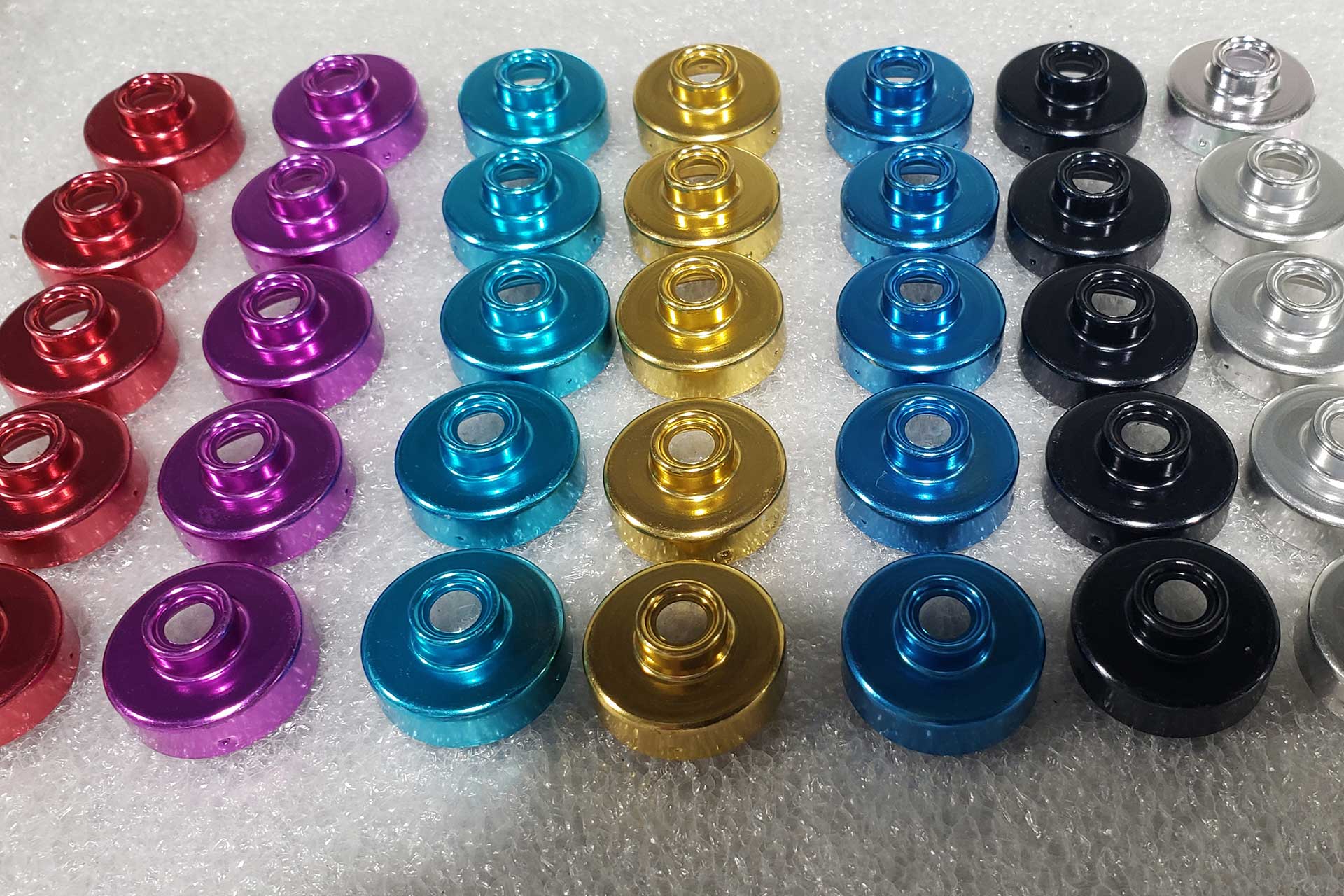
And with the right finishing partner, you can push that performance even further.
At Light Metals Coloring, we help you turn top-tier materials into mission-ready components. If your next project calls for military-grade performance, we’re ready to meet the challenge, every micron, every spec, every time.
Why LMC Is a Trusted Finishing Partner
With decades of experience supporting mission-critical industries, we’re equipped to handle the unique needs of military & defense contractors and aerospace manufacturers.
Clients come to us not just for the final product, but also because we ensure the job gets done right, every single time.
Contact us today to learn more about our military-grade aluminum finishing capabilities.
Why Material Choice Matters in Defense Manufacturing
Defense systems are expected to perform flawlessly in some of the harshest conditions on Earth and above it. That means materials must be:
- Lightweight, to improve efficiency and mobility
- Strong, to endure combat stresses and impact
- Durable, to resist corrosion and reduce maintenance
- Certifiable, to meet strict compliance requirements
In this context, aluminum shines. It offers key structural advantages without compromising performance or safety, making it a go-to for engineers designing military and aerospace components.
What Is Military Grade Aluminum?
While the term “military grade” is used in marketing, in engineering, it has a specific meaning. Military-grade aluminum refers to aluminum alloys that meet precise chemical, mechanical, and performance standards established by military and aerospace organizations. Materials used in these environments must also undergo rigorous quality control, testing, and documentation. That’s why sourcing and finishing aluminum to spec is critical.
Strength-to-Weight Ratio: A Key Advantage
One of aluminum’s greatest strengths is, well, its strength-to-weight ratio. It delivers significant mechanical strength while remaining much lighter than steel or titanium.
For example:
- 7075 aluminum offers near-steel strength with only a third of the weight.
- 2024 aluminum provides excellent fatigue resistance, making it ideal for aircraft structures.
- 6061 aluminum is prized for its versatility and weldability in defense vehicles and components.
In defense applications, this translates to:
- Lighter aircraft and UAVs with extended range
- Faster and more agile ground vehicles
- Easier deployment and transport of equipment
- Reduced fuel consumption and logistical strain
When every pound counts, high-strength lightweight materials like aluminum are invaluable.
Corrosion Resistance in Harsh Environments
From humid jungles to salt-laden sea air, military equipment operates in brutal environments. Corrosion-resistant aluminum helps ensure reliability in these unpredictable conditions.
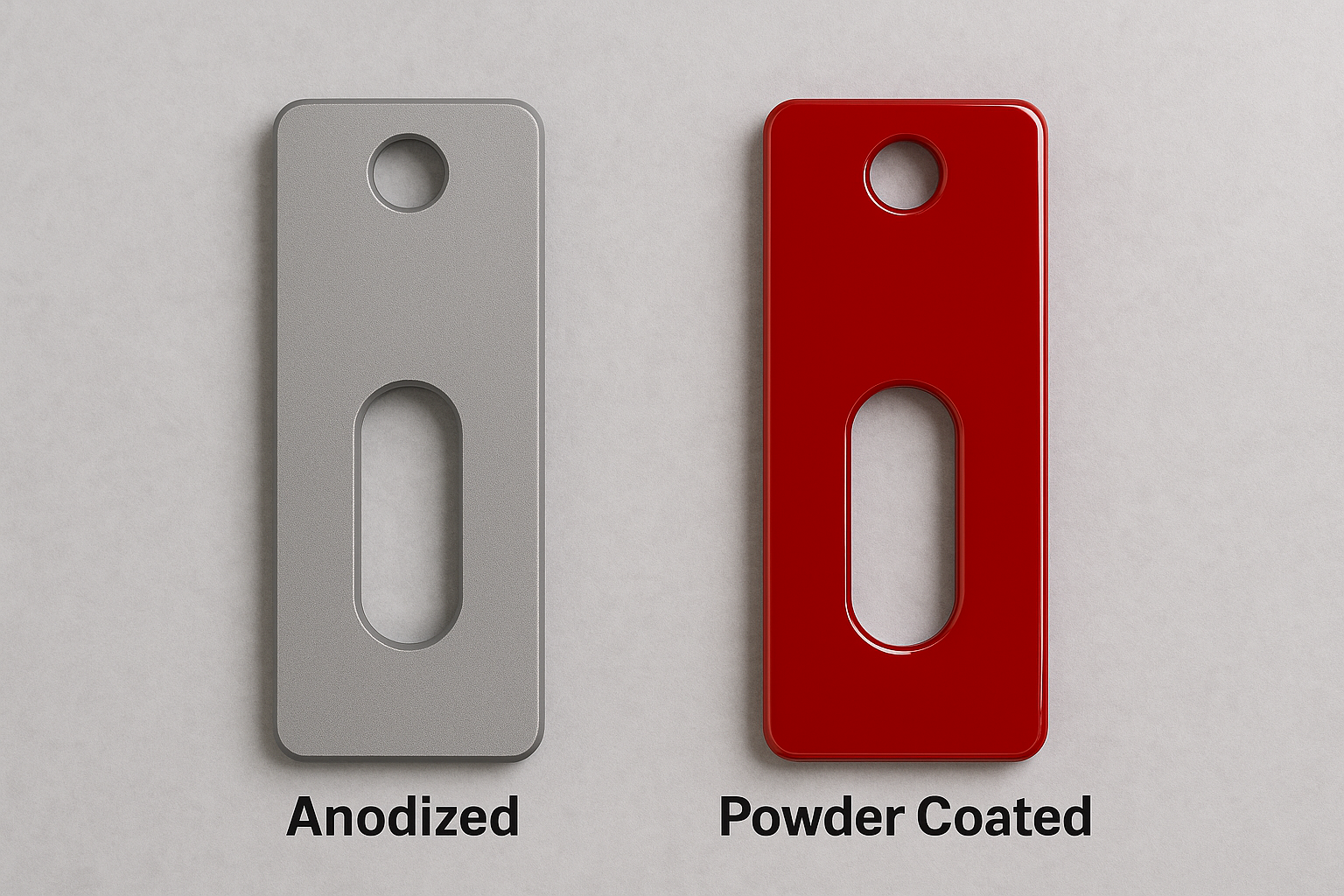
Aluminum naturally forms a thin oxide layer that protects it from corrosion. However, when enhanced through processes such as anodizing, this resistance is significantly improved. That’s especially important in:
- Naval operations
- Aircraft fuselages and wings
- Tactical communication equipment
- Missile and rocket components
Proper surface treatments enable components to withstand long-term exposure without degrading, reducing maintenance cycles, and extending equipment lifespan.
Common Aluminum Alloys Used in Defense
Each alloy offers distinct advantages depending on the application. Here’s a quick breakdown of aluminum alloys for defense:
| Alloy | Properties | Typical Use |
|---|---|---|
| 7075 | Very high strength, good fatigue resistance | Aircraft structures, armored components |
| 2024 | Excellent fatigue resistance, moderate corrosion resistance | Aerospace fittings, fasteners, and fuselage |
| 6061 | Strong, corrosion-resistant, easy to machine/weld | Vehicle frames, missile parts, equipment housings |
| 5083 | Excellent corrosion resistance, especially in marine environments | Naval vessels, armor plating |
Selecting the right alloy depends on the balance of properties needed—strength, weight, machinability, and corrosion performance.
Certification and Compliance
Meeting the mechanical specs is only part of the puzzle. In military and aerospace manufacturing, documentation, certification, and traceability are just as important.
Typical certifications include:
- NADCAP accreditation for chemical processing and coatings
- ISO 9001 for quality management systems
- MIL-A-8625 for anodic coatings on aluminum
- AMS standards for finishing processes
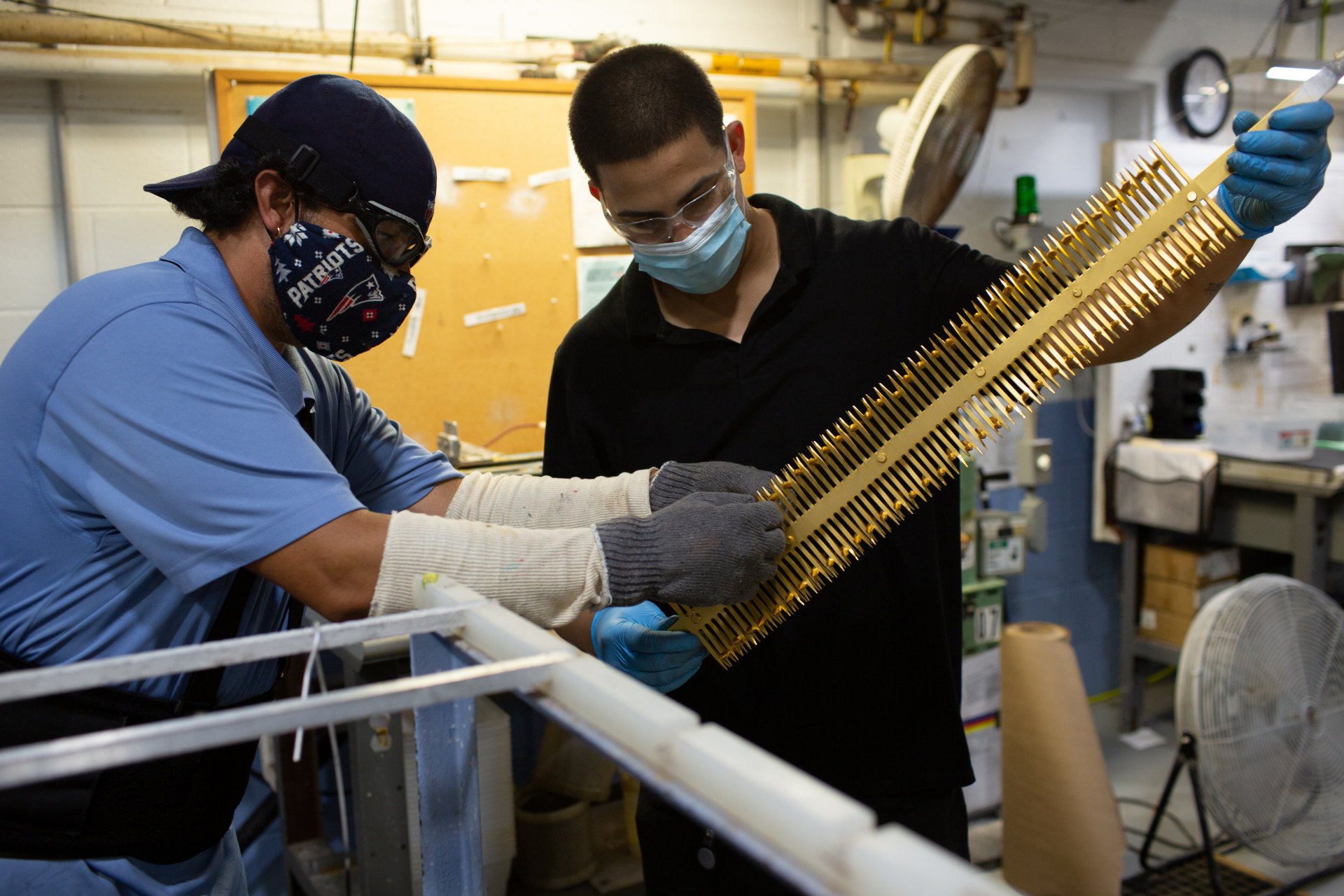
At LMC, we understand how critical this is. Our anodizing and metal finishing processes are
fully compliant with these standards, helping defense contractors and OEMs stay audit-ready and spec-compliant at every turn.